
Structural Drying vs Water Extraction: Why Psychrometry Matters in Florida
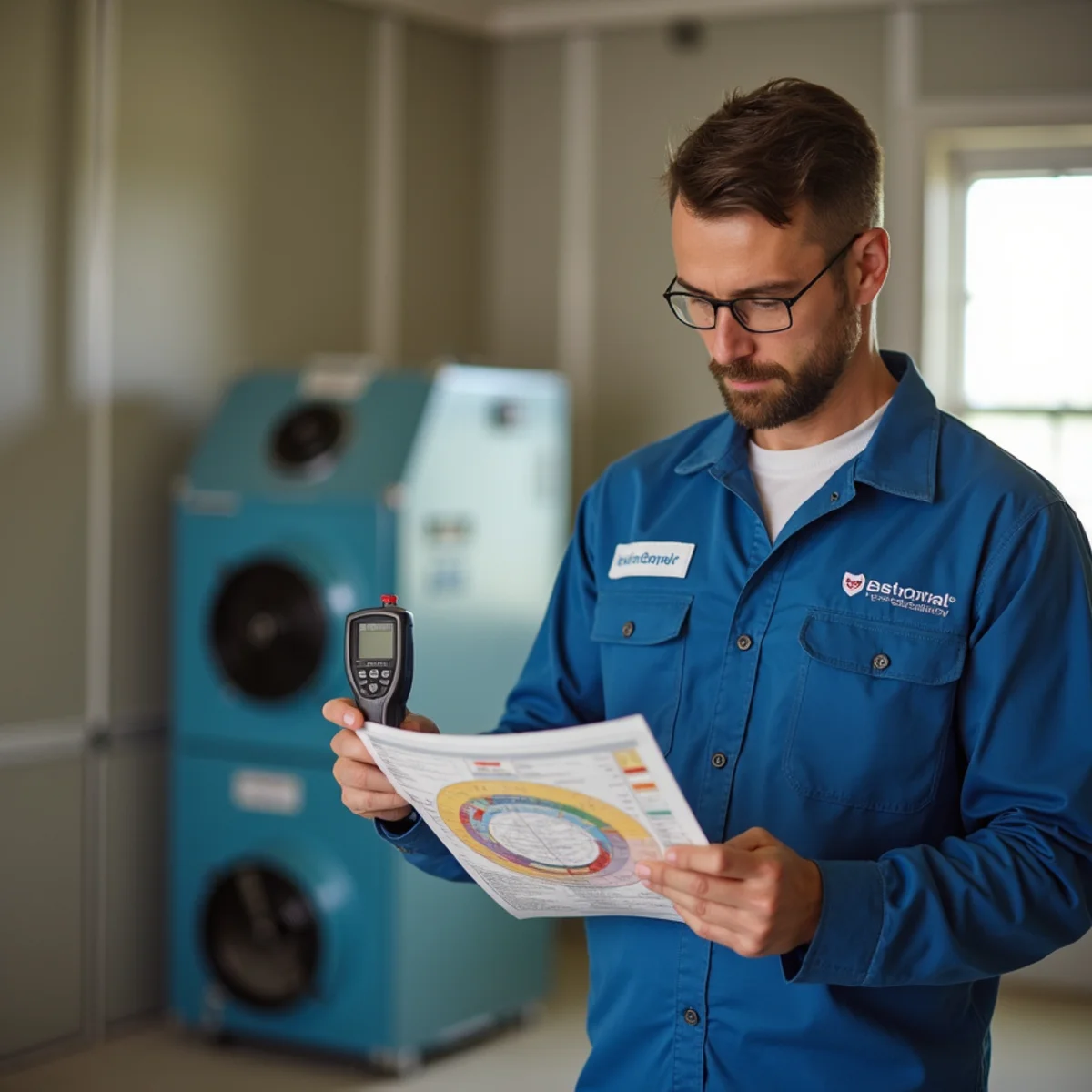
Structural Drying vs Water Extraction: Direct Psychrometric Answer
Water extraction is the physical suction removal of standing liquid water from floors, whereas structural drying is the thermodynamic science (psychrometry) of extracting trapped moisture from deep inside porous drywall, concrete slab foundations, and framing lumber. Simply vacuuming surface water leaves up to 80% of absorbed moisture locked inside building assemblies, virtually guaranteeing mold germination in Florida's humid climate.
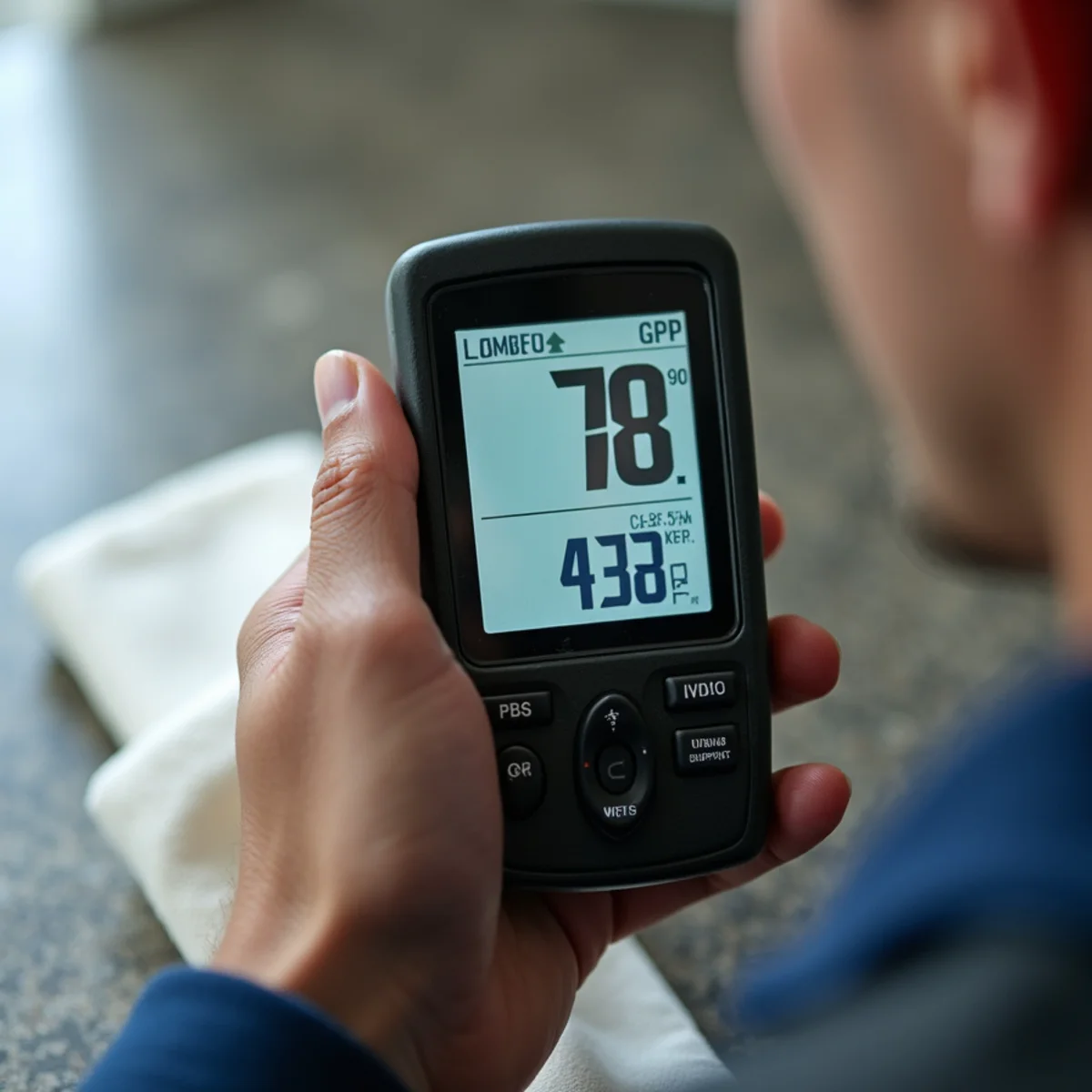
Certified structural drying manipulates air temperature, airflow velocity, and vapor pressure differential to lower indoor humidity below 40 Grains Per Pound (GPP), drawing bound moisture outward until calibrated moisture meters verify established dry standards.
The Physics of Evaporation, Airflow & Vapor Pressure Differential
When water floods a Naples home, water exists in two distinct forms: free surface water and bound capillary water. Free water is quickly removed by truck-mounted extraction units. Bound water, however, is held in the microscopic pores of concrete slabs, wood studs, and drywall cores by capillary forces.
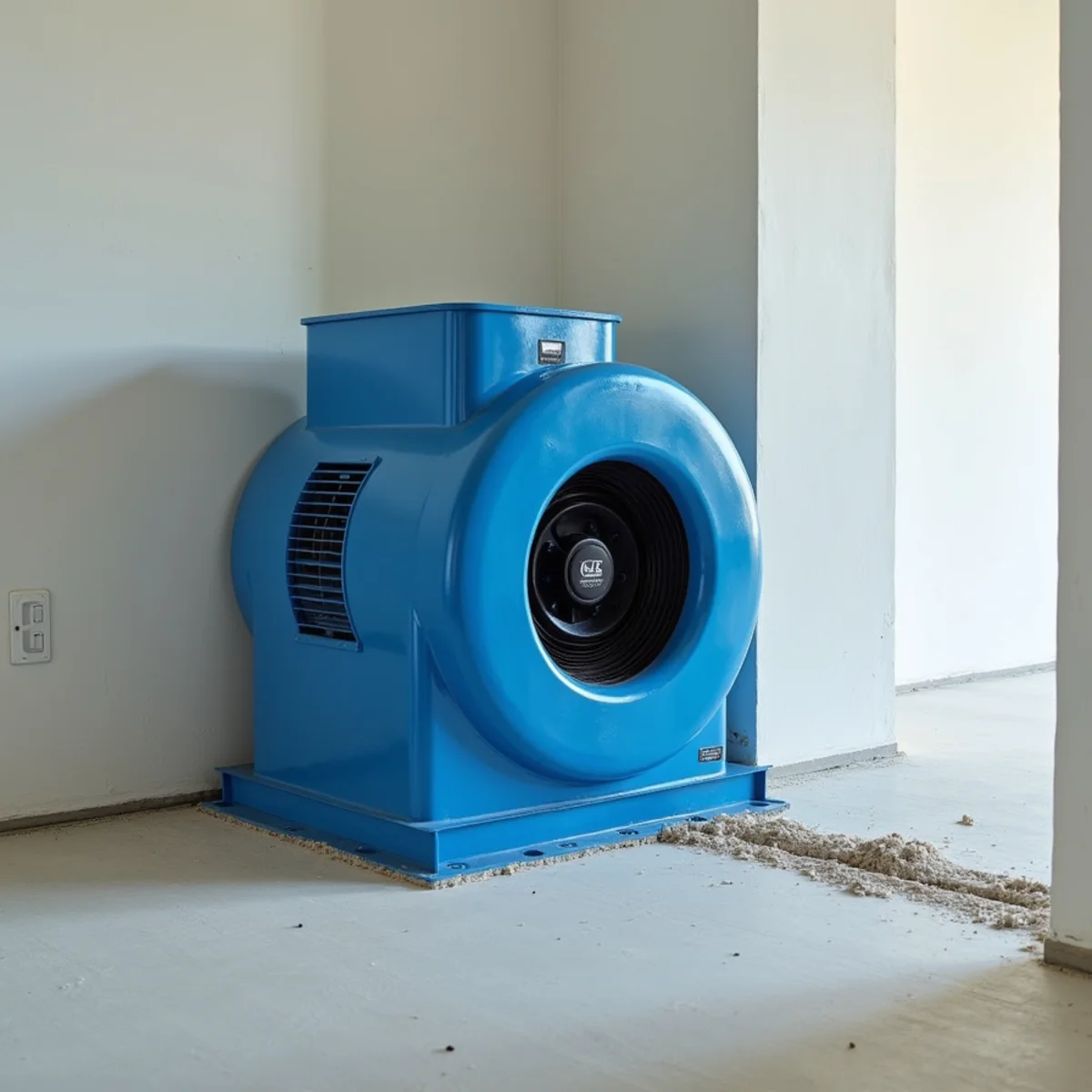
To evaporate bound water, technicians must manage the 'boundary layer'—the stagnant micro-climate of saturated air resting directly above wet materials. High-velocity centrifugal air movers blow air across surfaces at 45-degree angles, stripping away this humid boundary layer and accelerating evaporation into the room.
Need Immediate Emergency Extraction in Naples?
Standing water damages drywall and fosters mold in 24 to 48 hours. Speak to a live restoration coordinator right now.
Crews on standby across Naples, Marco Island & Bonita Springs
Psychrometric Metrics & Daily Drying Target Matrix
IICRC S500-certified restorers record daily psychrometric logs measuring four critical atmospheric indicators:
| Psychrometric Measurement | Diagnostic Tool Utilized | Southwest Florida Target Metric | Restoration Engineering Purpose |
|---|---|---|---|
| Grains Per Pound (GPP) | Digital Thermo-Hygrometer | Dehumidifier Process Air < 35 GPP | Measures true weight of water vapor in air regardless of temp |
| Relative Humidity (RH) | Calibrated Hygrometer | Chamber Ambient RH 30% to 45% | Maintains air capacity to absorb additional evaporated moisture |
| Dew Point Temperature | Psychrometric Calculator | Dew Point 15°F below surface temp | Prevents evaporated water vapor from re-condensing on walls |
| Drywall Moisture Content | Calibrated Resistance Meter | Equal to baseline (typically 7%–10%) | Confirms drywall core is returned to pre-loss dry standard |
| Concrete Slab RH | In-situ Inverted Probe (ASTM F2170) | Internal Slab RH < 75% | Prevents post-restoration flooring adhesive shear failure |
LGR Dehumidifiers vs. Desiccant Technology in Southwest Florida
Restoration contractors utilize two primary types of industrial dehumidification machines:
Low-Grain Refrigerant (LGR) Dehumidifiers: The standard workhorse for residential mitigation. LGR units pre-cool intake air before passing it across evaporator coils, allowing them to extract moisture down to 34 GPP, far outperforming consumer dehumidifiers that stall at 55 GPP.
Industrial Desiccant Dehumidifiers: Deployed for dense materials like concrete slabs flooded with saltwater storm surge, or multi-layered commercial flat roofs. Desiccants use chemical adsorption wheels (silica gel) to depress process air below 15 GPP, generating intense drying power in cold or saturated structures.
Managing Concrete Slab-on-Grade Moisture Traps in Collier County
Virtually all single-family homes and ground-floor condominiums in Naples and Marco Island are constructed on monolithic concrete slab-on-grade foundations. Concrete is inherently porous, functioning like a dense, rigid sponge.
When water covers a tile or luxury vinyl plank floor, capillary suction draws liquid into the microscopic pore structure of the concrete. Because modern flooring underlayments create an impermeable vapor barrier, water becomes trapped between the subfloor slab and finished floor covering.
Without high-capacity dehumidifiers establishing a low ambient vapor pressure, trapped concrete moisture travels laterally across room boundaries, breaking down carpet glues, creating milky discoloration under hardwood finishes, and sparking black mold growth along baseboard framing weeks after the surface appeared dry.
Why Box Fans and Open Windows Guarantee Secondary Mold Growth
When well-meaning property owners place household box fans in a flooded room or open sliding glass doors to 'let the breeze dry it out,' they trigger secondary water damage.
Outdoor air in Collier County routinely carries 110 to 140 GPP of water vapor. Opening exterior doors pumps hundreds of pounds of moisture into cooled drywall. Furthermore, standard box fans blow unconditioned air without extracting water, atomizing fungal spores into the air and driving moisture deeper into wall cavities.
Recommended Restoration Services & Coverage Zones
Related solutions referenced in this guide:
Questions Answered in this Guide
Quick reference summary for homeowners and property managers.
Dry baseline readings on calibrated moisture meters typically show between 7% and 11% moisture content in normal dry interior drywall in Southwest Florida. Readings exceeding 16% indicate structural moisture that requires active drying.
Have a question specific to your property? Call our 24/7 restoration helpline: (831) 303-1192
Questions about your restoration project?
Send us a message or call our 24/7 emergency dispatch line directly. For the fastest help, call (831) 303-1192.