How Fast Does Mold Grow After a Leak in Florida Humidity?
How Fast Does Mold Grow After a Leak in Florida? Direct Answer
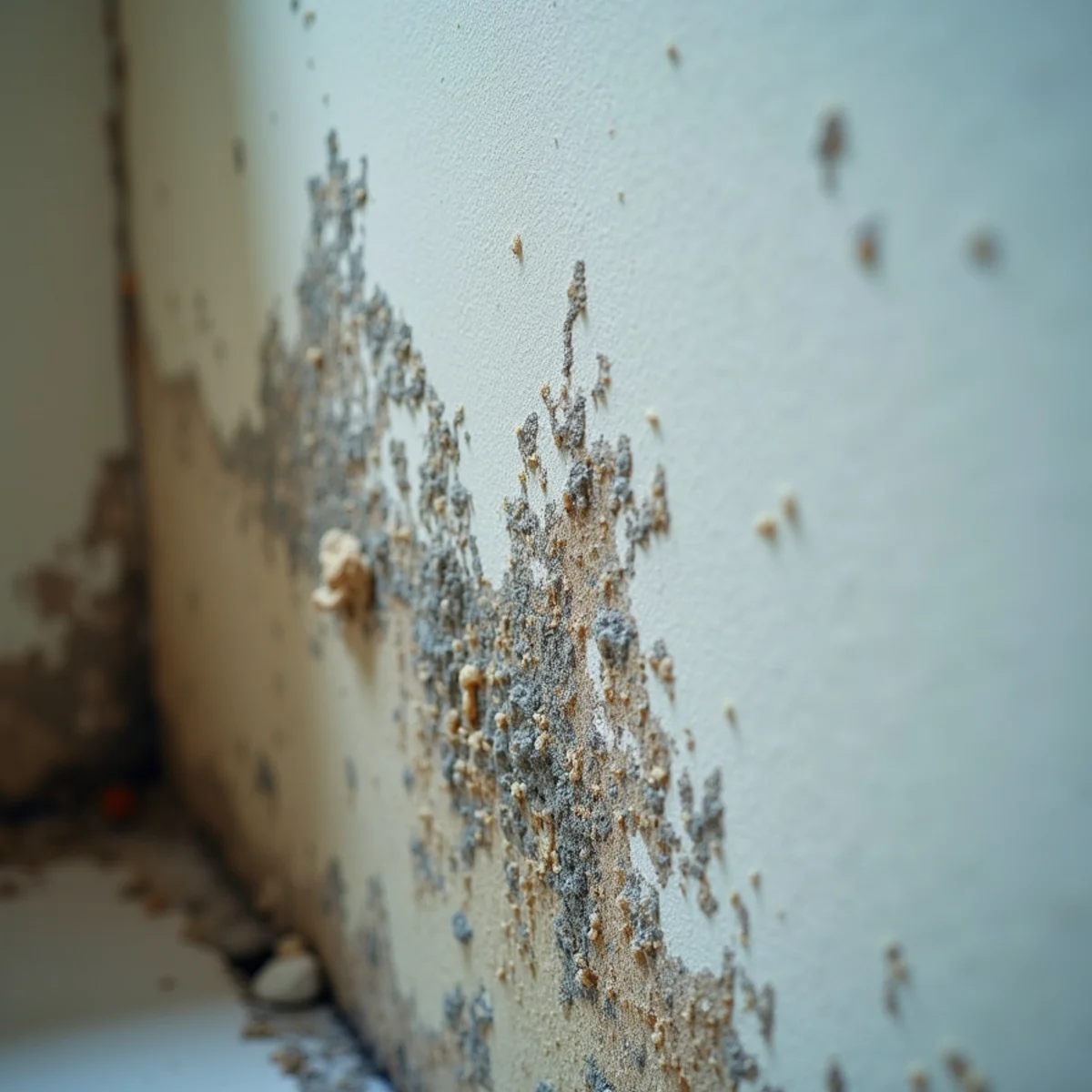
In Florida's subtropical climate, microscopic mold spores germinate on wet drywall, baseboards, and carpet padding within **24 to 48 hours** of initial water contact, with visible colonies and pungent musty odors appearing within 3 to 7 days. Southwest Florida's typical outdoor relative humidity of 75% to 85% and indoor temperatures between 72°F and 80°F accelerate biological colonization far faster than in drier regions.
Once water penetrates building cavities from a plumbing leak, appliance hose rupture, or roof compromise, simply wiping up surface water is insufficient. If moisture content inside drywall and wood framing is not actively reduced below 15% using commercial LGR dehumidifiers within 48 hours, active fungal colonization becomes inevitable.
The 24 to 48 Hour EPA Biological Window in Southwest Florida
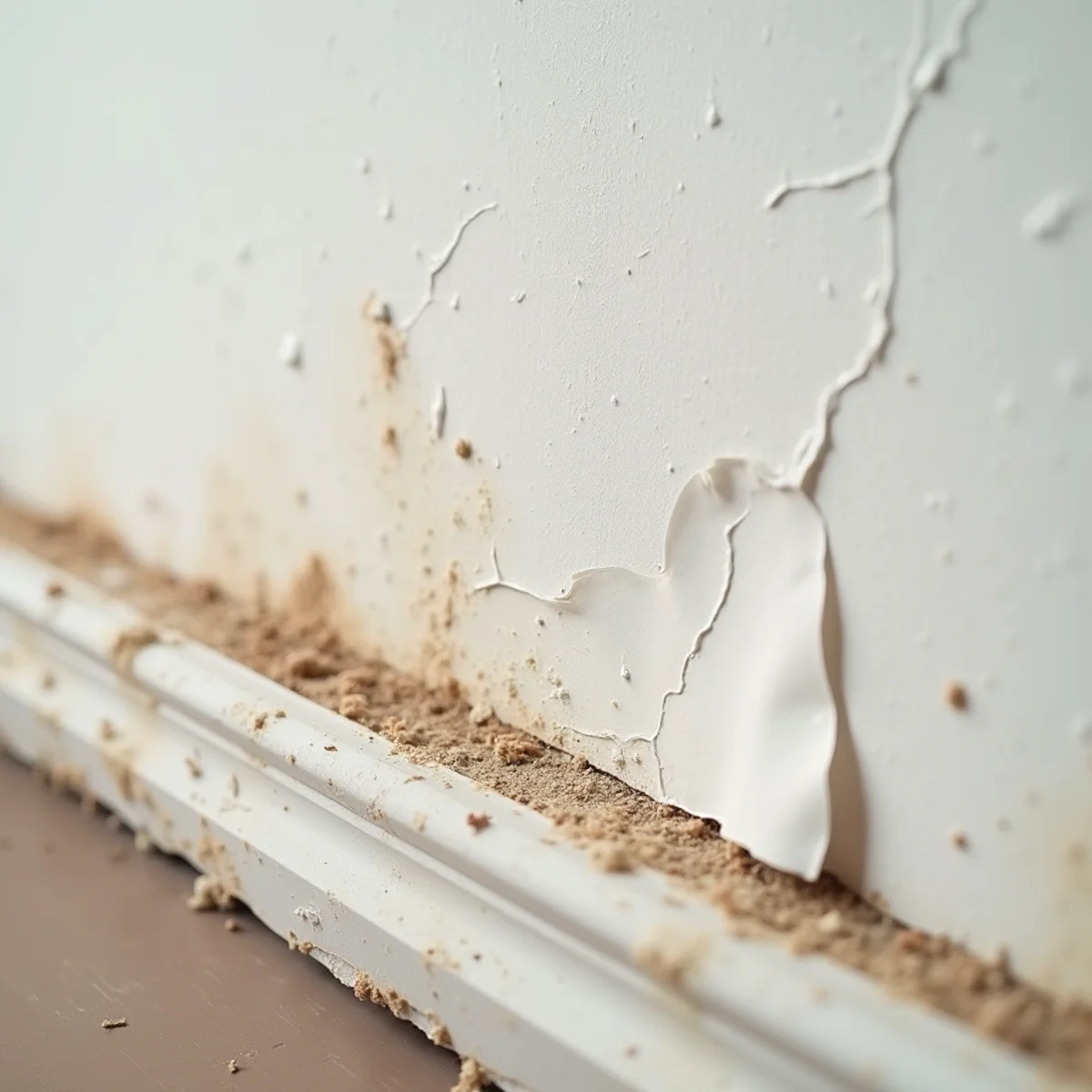
The United States Environmental Protection Agency (EPA) and the IICRC S520 Standard for Professional Mold Remediation establish the critical 24-to-48-hour drying threshold. During this window, water damage is classified as an acute mechanical drying emergency.
If professional extraction and closed-loop psychrometric drying begin within this timeframe, saturated materials can frequently be sanitized and dried in place. However, crossing the 48-hour mark transitions the project from simple water mitigation into regulated biohazard mold remediation, requiring plastic containment barriers, HEPA negative air filtration, and independent third-party air sampling.
Need Immediate Emergency Extraction in Naples?
Standing water damages drywall and fosters mold in 24 to 48 hours. Speak to a live restoration coordinator right now.
Crews on standby across Naples, Marco Island & Bonita Springs
Hourly Mold Germination Timeline in Florida Climates
The biological progression of water damage in a closed Florida home follows a predictable sequence:
| Elapsed Time Post-Leak | Microbial & Structural State | Observable Symptoms | Required Restoration Action |
|---|---|---|---|
| 0 to 24 Hours | Liquid absorption & capillary wicking | Damp carpet, soft drywall base, no visible mold | High-volume truck-mounted extraction & LGR dehumidification |
| 24 to 48 Hours | Spore germination & hyphal growth | Faint sour odor, drywall seam swelling, paint blistering | Air movers, cavity injection drying, EPA antimicrobial wash |
| 48 to 72 Hours | Vegetative colonization (Aspergillus) | Visible fuzzy white/gray spots, pronounced musty odor | Containment setup, removal of wet insulation, HEPA filtration |
| 3 to 7 Days | Secondary colonizers & mycotoxin production | Dark green/black clusters, spore amplification into ducts | Full containment, drywall flood cuts, Chapter 468 protocol |
| 1 to 2+ Weeks | Tertiary colonizers (Stachybotrys chartarum) | Structural wood decay, black staining, respiratory symptoms | Comprehensive abatement, independent clearance air testing |
The Critical Biological Triad: Moisture, Cellulose & Heat
Mold spores are ubiquitous in Florida air; every breath inside a normal home contains background spore counts. What prevents continuous blooms is the absence of persistent moisture. When a plumbing breach occurs, three elements ignite exponential reproduction:
1. **Elevated Moisture Content**: Drywall reading above 16% moisture content or subfloor concrete exceeding 75% internal relative humidity.
2. **Cellulose Food Source**: Paper backing on drywall panels, pine wall studs, particleboard subflooring, and dust accumulation inside HVAC ducting.
3. **Thermal Incubator**: Florida ambient temperatures between 70°F and 90°F provide optimal metabolic conditions for mold enzymes.
Why Bleach Fails on Drywall, Concrete, and Wood Framing
A dangerous myth among homeowners is that spraying chlorine bleach will eradicate mold. While bleach works on non-porous glass and ceramic tile, it fails completely on porous drywall, unsealed concrete slabs, and wooden wall studs.
Standard household bleach contains approximately 90% water and 6% sodium hypochlorite. When applied to drywall, the chemical ions remain on the surface while water penetrates deep into the porous gypsum core, actually watering the deep-rooted mycelial roots (hyphae). Within 10 to 14 days, the mold returns stronger than before.
Non-Invasive Diagnostic Technology: Thermal Imaging and Pinless Meters
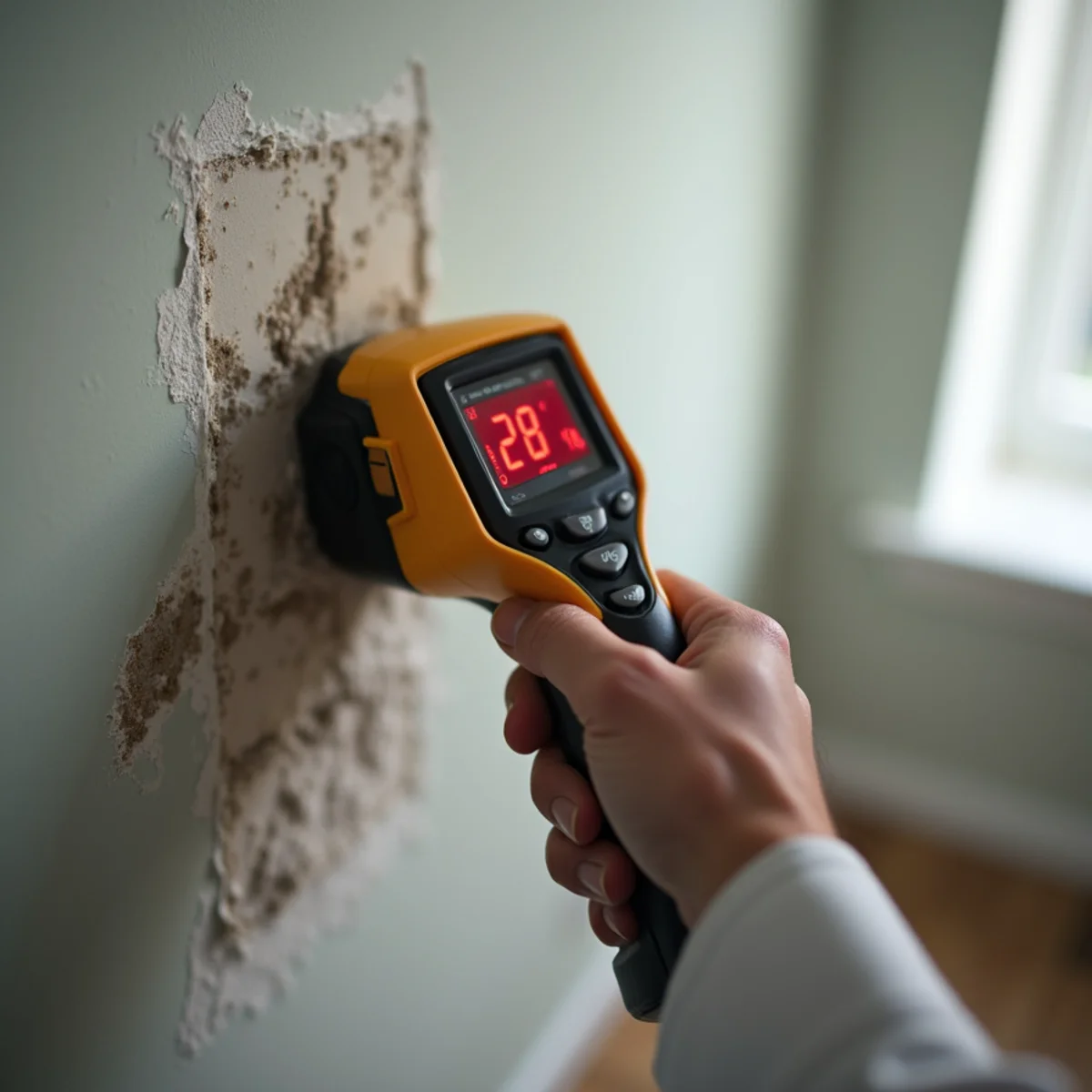
Because mold frequently germinates inside dark wall cavities where moisture cannot be seen, Ultra Mold & Water Pros utilizes advanced diagnostics during every inspection:
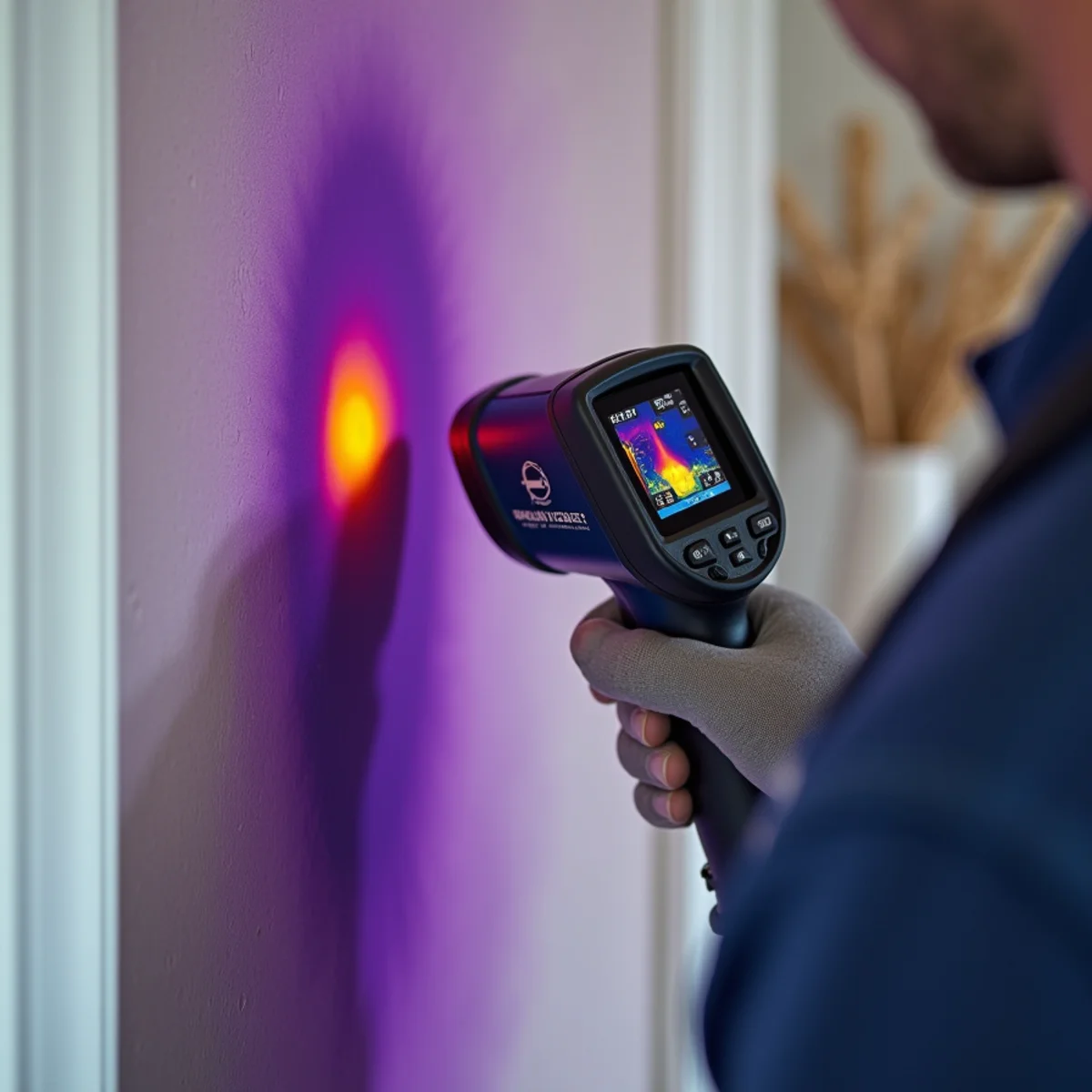
FLIR Infrared Thermal Cameras: Evaporating moisture causes surface cooling. Thermal cameras detect subtle temperature differentials, pinpointing the exact footprint of wet drywall and ceiling insulation without drilling exploratory holes.
Calibrated RF Pinless Moisture Meters: Measure moisture content down to 3/4 inch beneath hardwood flooring, ceramic tile, and stone surfaces without damaging delicate architectural finishes.
Recommended Restoration Services & Coverage Zones
Related solutions referenced in this guide:
Questions Answered in this Guide
Quick reference summary for homeowners and property managers.
No. The EPA and OSHA advise against using bleach on porous materials like drywall or wood framing. Bleach is mostly water; the chlorine evaporates quickly on the surface while water soaks deeper, feeding the mold roots beneath. Certified restorers use EPA-registered hospital-grade biocides.
Have a question specific to your property? Call our 24/7 restoration helpline: (831) 303-1192
Questions about your restoration project?
Send us a message or call our 24/7 emergency dispatch line directly. For the fastest help, call (831) 303-1192.