Commercial Water Damage in Naples: Fast Mitigation & Business Continuity
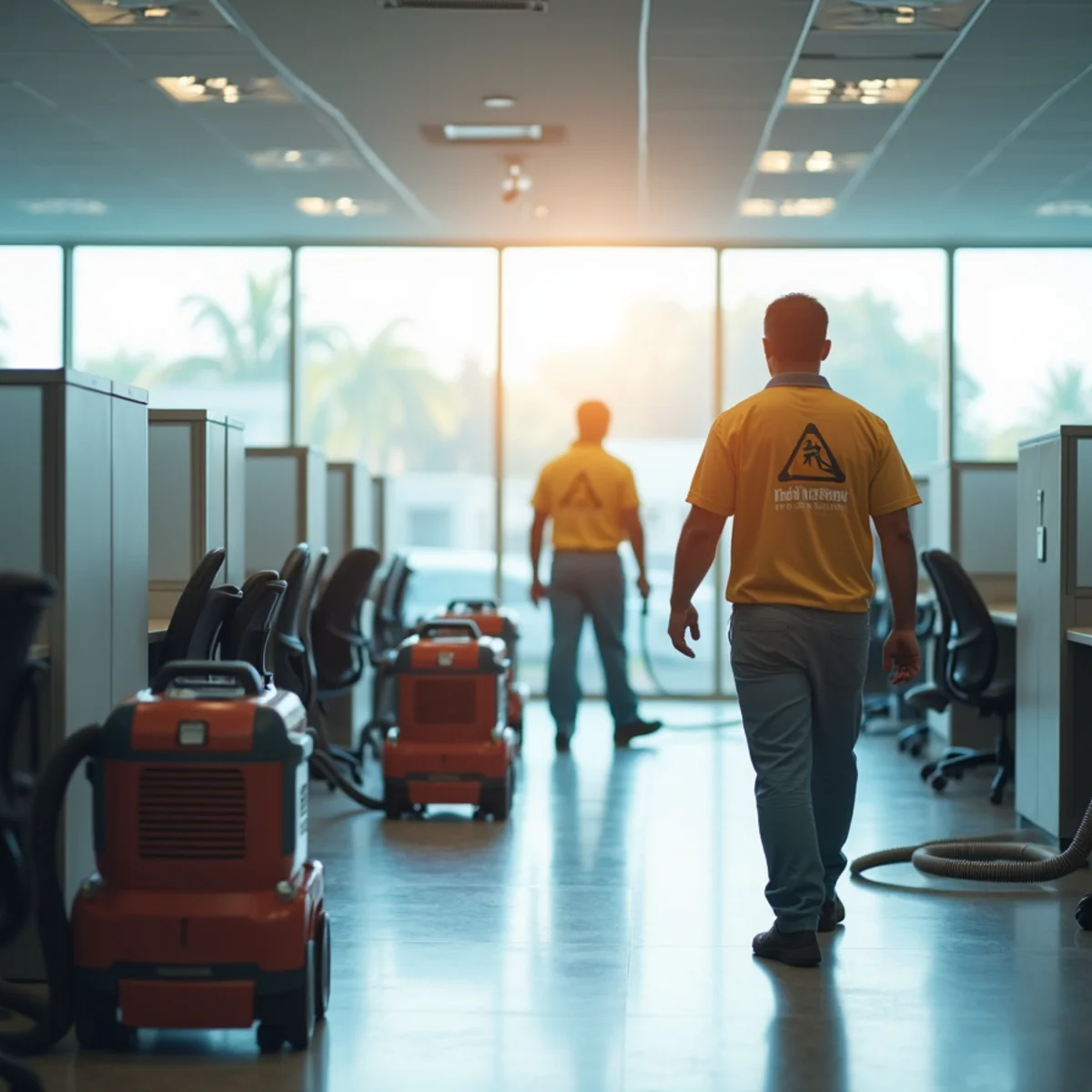
Minimizing Business Interruption in Commercial Facilities
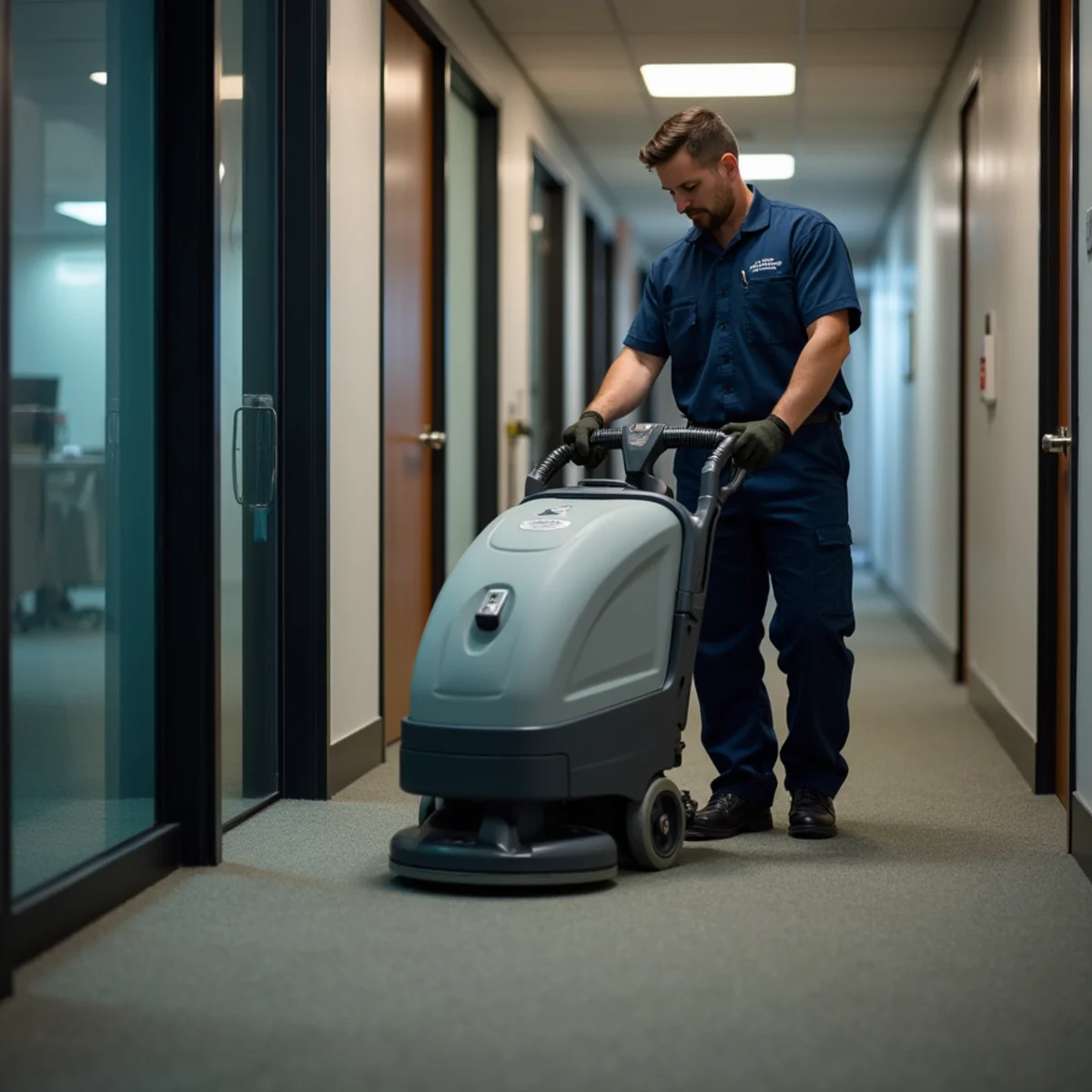
For Naples commercial properties—ranging from high-end retail boutiques on 5th Avenue South and 3rd Street South to medical practices near NCH Healthcare System and beachfront resort hotels—water damage is not merely a structural inconvenience; it is an acute business continuity emergency. A ruptured commercial fire sprinkler head, pressurized chilled-water loop failure, or multi-story supply line break can release thousands of gallons of water per hour, threatening inventory, sensitive electronic servers, and core revenue operations.
Every day a commercial facility remains closed incurs thousands to tens of thousands of dollars in lost operating income, ongoing staff payroll, and potential tenant lease default. In Southwest Florida's competitive retail and hospitality sectors, prolonged downtime also risks permanent customer defection. Mitigating commercial water disasters requires an operational strategy engineered around business continuity: rapid sectional containment, off-hours structural drying, and forensic moisture documentation that protects both the property and commercial business interruption insurance claims.
Phased Sectional Containment: Operating While Drying
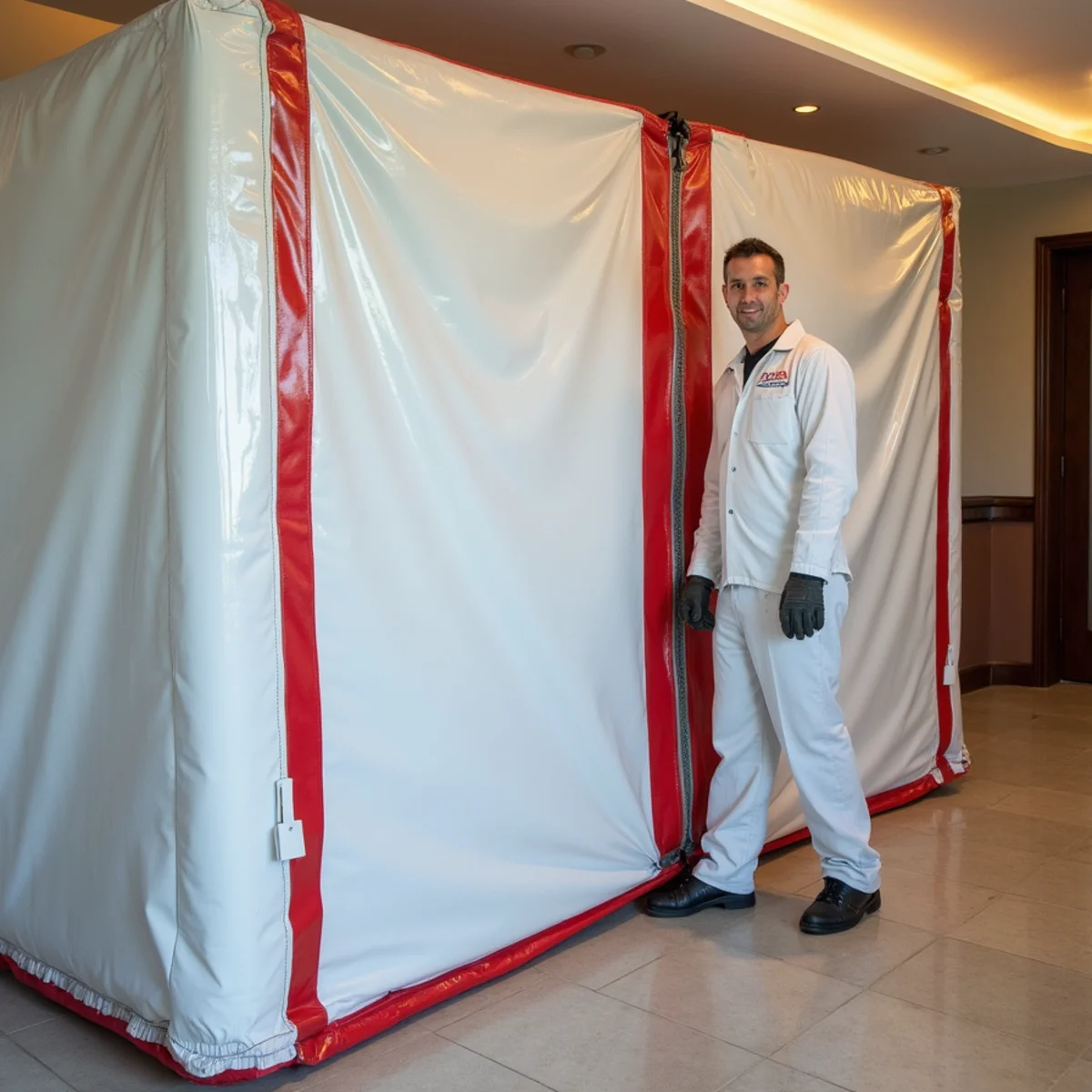
The conventional residential approach of gutting an entire floor and running loud drying equipment during normal daylight hours is commercially unacceptable. In medical clinics, corporate office buildings, and retail showrooms, restoration contractors must implement phased sectional containment to isolate the affected footprint while adjacent business operations proceed safely.
Technicians erect heavy-duty 6-mil polyethylene barrier walls fitted with magnetic self-closing zipper doors and negative-pressure HEPA air scrubbers. This containment envelope maintains a negative air pressure differential, ensuring that dust, airborne fungal spores, and damp odors cannot migrate into customer-facing retail zones, dental exam operatories, or executive conference suites. By compartmentalizing the water intrusion zone, commercial facilities maintain partial revenue generation, keeping critical departments open while industrial drying operates safely behind sealed partitions.
| Commercial Facility Sector | Critical Structural Vulnerability | Business Interruption Exposure | Priority Mobilization Protocol |
|---|---|---|---|
| Healthcare & Medical Suites | Sterility breaches, electronic medical records, drywall wick-up | Regulatory clinic closure, patient appointment cancellations, health code fines | Negative-pressure HEPA isolation, hospital-grade antimicrobial disinfection, silent overnight desiccant drying |
| Hospitality & Dining (5th Ave S / Mercato) | Commercial kitchen quarry tile, dining room acoustic ceilings, banquet carpets | Immediate daily revenue drop, food safety inspection failures, event cancellations | Rapid ride-on vacuum extraction, under-floor drying mats, thermal camera moisture tracking behind bar cabinetry |
| Retail & Shopping Centers | Acoustical ceiling tiles, inventory displays, stockroom cardboard packaging | Tenant lease default, ruined seasonal stock inventory, reduced foot traffic | Zippered poly containment barriers, phased commercial dehumidification, salvageable stock inventory isolation |
| Multi-Tenant Corporate Offices | Common plumbing risers, elevator shaft pits, server room raised flooring | Multi-suite tenant business downtime, data server damage, shared HVAC moisture spread | Main riser isolation, dedicated 3-phase mobile generator power, structural drying of elevator shafts and server rooms |
Need Immediate Emergency Extraction in Naples?
Standing water damages drywall and fosters mold in 24 to 48 hours. Speak to a live restoration coordinator right now.
Crews on standby across Naples, Marco Island & Bonita Springs
Industrial Drying Power: Trailer Desiccants and 3-Phase Electrical Systems

Commercial multi-story buildings and large open-bay retail spaces present massive interior air volumes that overwhelm standard residential dehumidifiers. When tens of thousands of square feet of commercial glued-down carpet, floating drywall partitions, and concrete slab subfloors are flooded, restoration requires industrial-grade drying machinery:
Large commercial losses demand trailer-mounted desiccant dehumidifiers capable of processing between 5,000 and 15,000 cubic feet of air per minute (CFM). Unlike conventional refrigerant dehumidifiers that lose efficiency as air becomes dry, desiccant systems utilize rotating chemical silica wheels that produce ultra-dry air streams below 10 grains per pound (GPP). This extreme vapor pressure differential pulls trapped moisture out of dense commercial subfloors, concrete slabs, and insulated cavity walls rapidly.
To avoid overloading tenant electrical panels or tripping sensitive IT server breakers, certified commercial restoration contractors deploy self-contained mobile diesel power generators (100 kW to 250 kW) with temporary 3-phase power distribution spider boxes. This independent electrical infrastructure powers commercial extraction units, desiccant blowers, and high-velocity air movers without drawing a single watt from the building's operational electrical grid.
Commercial Lease Architecture: Tenant vs. Landlord Repair Liabilities
Resolving commercial water damage requires navigating complex legal boundaries between property managers, building owners, and commercial tenants under Florida commercial real estate law. Unlike residential tenancy, commercial lease structures dictate specific financial obligations for structural drying and buildback:
In a standard Triple Net (NNN) or Modified Gross lease, the building owner or master landlord is typically responsible for base-building structural assemblies—including exterior curtain walls, structural concrete slabs, common plumbing risers, and primary roof drainage systems. Conversely, commercial tenants are generally responsible for leasehold improvements (betterments and additions), interior dividing demising walls, tenant-installed flooring, retail inventory, and proprietary trade fixtures.
Failure to establish clear liability boundaries during the first 12 hours causes catastrophic delays as landlord and tenant insurance adjusters dispute coverage. Professional commercial restoration firms provide dual-party intake protocols, separating emergency water mitigation invoices and moisture mapping records into landlord structural scopes and tenant contents/betterments scopes, preventing costly coverage disputes and ensuring immediate mitigation mobilization.
Psychrometric Moisture Mapping and Business Interruption Insurance Proof
Commercial insurance adjusters scrutinize commercial loss claims with extreme rigor, particularly when claims include substantial Business Interruption (BI) and Extra Expense line items. To validate that business closure was unavoidable and that restoration proceeded with maximum diligence, contractors must compile indisputable forensic data.
Technicians utilize cloud-connected thermal imaging cameras, non-invasive dielectric moisture meters, and psychrometric data loggers that record ambient temperature, relative humidity, dew point, and specific humidity (GPP) every thirty minutes. These psychrometric drying curves prove that moisture levels in drywall framing, concrete slabs, and subflooring were brought back to dry standard baselines as rapidly as physically possible. Furthermore, all physical repairs, equipment placements, and labor hours are billed using standardized Xactimate commercial pricing codes, ensuring frictionless reimbursement from commercial property carriers.
Recommended Restoration Services & Coverage Zones
Related solutions referenced in this guide:
Questions Answered in this Guide
Quick reference summary for homeowners and property managers.
By deploying phased sectional containment barriers and off-hours night drying protocols, unaffected zones of an office, retail store, or clinic can often resume operations within 12 to 24 hours while active drying equipment operates behind sealed negative-air partitions.
Have a question specific to your property? Call our 24/7 restoration helpline: (831) 303-1192
Questions about your restoration project?
Send us a message or call our 24/7 emergency dispatch line directly. For the fastest help, call (831) 303-1192.